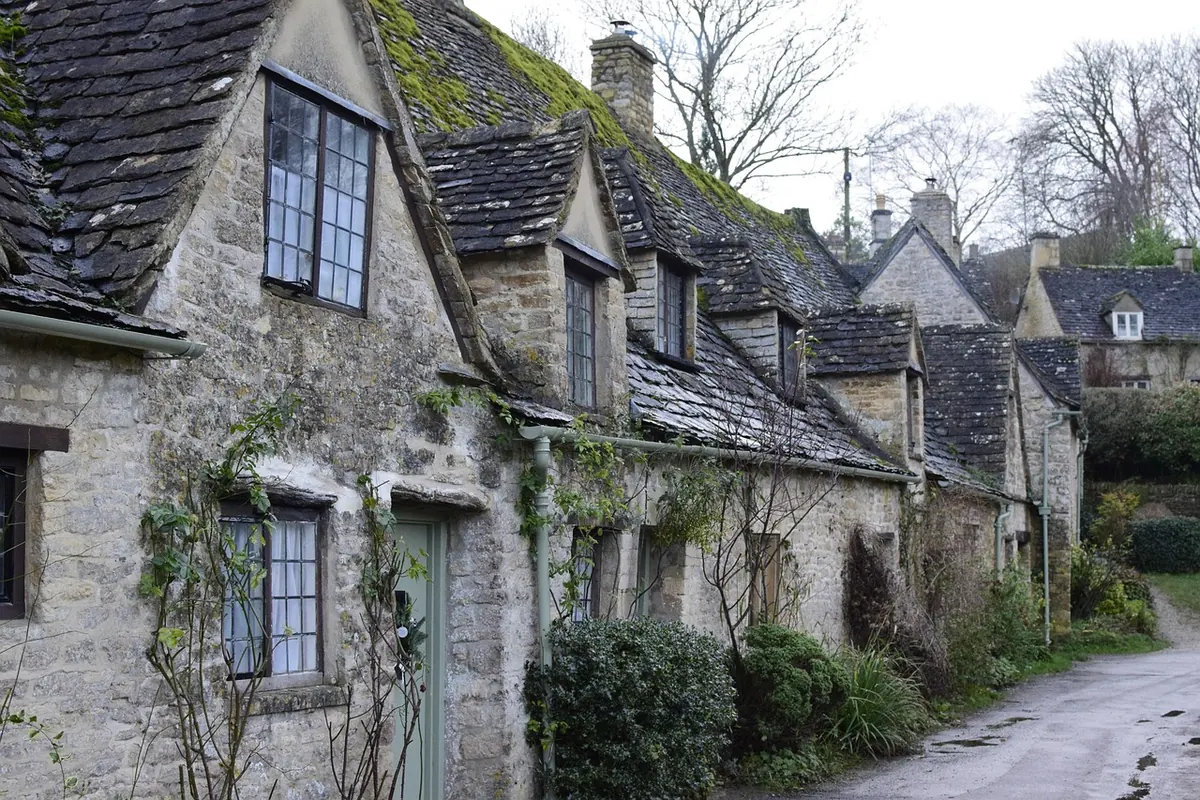
The Cotswolds look gentle from a car window: honey stone, sheep on a slope, a footpath sign pointing into a field. On foot it is a different story. The mud is heavier than it looks in photographs, the stiles come in more shapes than you expect, and the pub you have been promising yourself since mile two may well be shut on a Tuesday. None of these are disasters. They are simply the things that turn a lovely walk into a long, wet afternoon.
The Mud Is Real, and It Sets the Rules
Anyone who has crossed a Cotswold field in February knows the sound: a wet suck, then a lurch. The clay-heavy soil in the valleys holds water for weeks, and the ground around gates turns to a churn of brown within days of rain. The mistake is not walking in winter. It is walking in winter in the wrong kit.
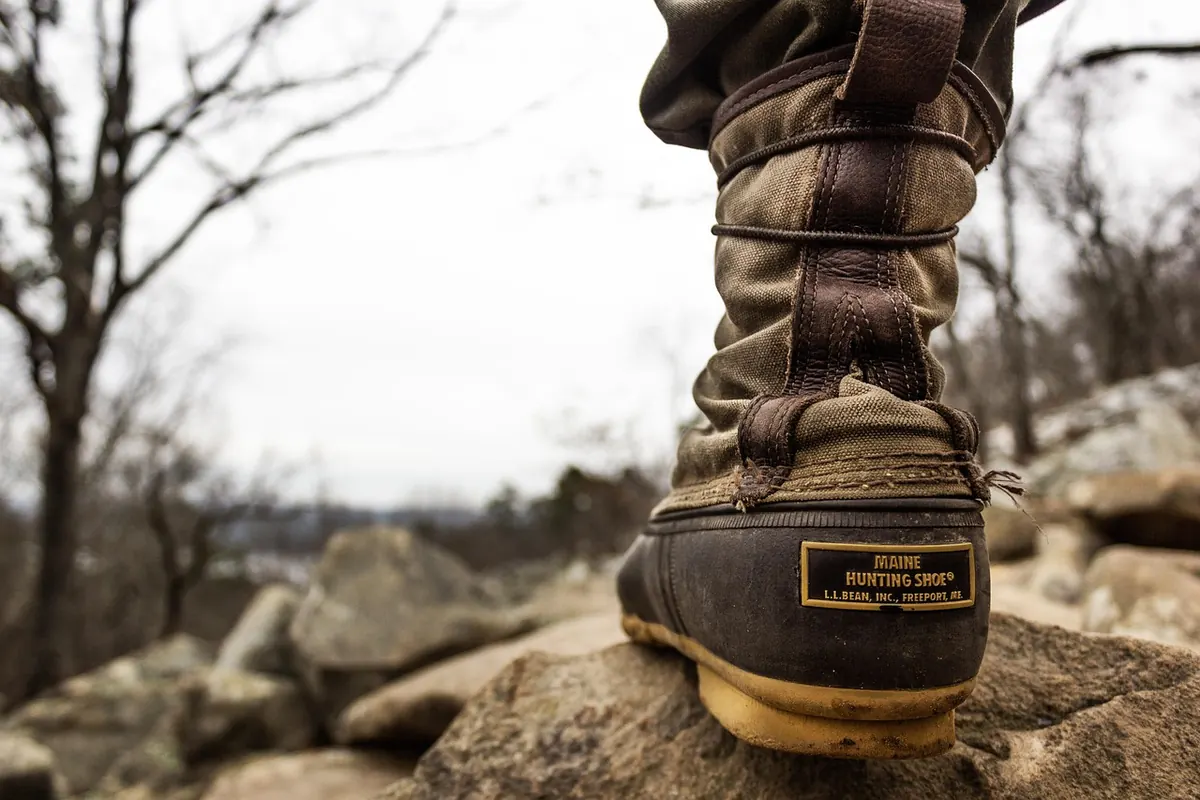
Trainers are hopeless in it. Trail shoes will do in a dry August; outside that, wear proper boots with deep tread, and gaiters if you dislike mud inside your socks. Leave a spare pair of socks and shoes in the car. Poles earn their weight on greasy descents, particularly along the escarpment edge and on any path dropping into a valley.
If the ground is genuinely sodden, change the route rather than the footwear. Ridge-top tracks and old drovers' lanes drain far better than riverside fields, and lanes between villages are the sane option in January.
Stiles, Gates and the Small Print of a Route
Two miles with twelve stiles is harder than five miles on a bridleway, especially with a dog, a child, or knees that complain. Before you commit, check what the route actually contains: ladder stiles over dry stone walls, narrow squeeze stiles, kissing gates, footbridges, and the occasional gate that needs lifting while you push.
- Wear gloves when it is cold. Metal and stone handholds are brutal.
- Teach dogs to wait at each stile rather than trying to follow you through it.
- Close every gate behind you, and never climb a wall to dodge a stile.
- If a stile is broken, use the next gate along instead of forcing it.
Stiles are also where groups quietly lose time. Ten people through one narrow gap, plus a photo, plus a water stop, adds ten minutes without anyone noticing.
Don't Trust a Phone Signal to Guide You
Waymarking in the Cotswolds is good in places and patchy in others. The Cotswold Way, which runs roughly 100 miles from Chipping Campden to Bath, is marked with the acorn symbol and is hard to lose. The wider network of public footpaths is a different matter. In the middle of a field, the line you are meant to follow may be nothing more than a flattened strip of grass and a gap in the hedge.
So download offline map tiles before you leave, and carry a paper map if the walk matters to you. Signal disappears in valleys and beech woods, and cold weather flattens phone batteries faster than you would think. A small power bank weighs almost nothing.
Aim at landmarks rather than at your screen. If you can see the church tower you are heading for, you do not need to check anything. If you lose the path, retrace to the last waymark instead of pushing on through crops. Trampling a field is a quick way to annoy the farmer whose land you are lucky enough to be crossing.
Cotswold Miles Take Longer Than You Think
Walking pace is not a constant. Short climbs in and out of valleys, gates, stiles, a steep descent and a stop to admire the view all take their toll. For a group, plan on two miles an hour and be pleased if you beat it. A three-mile loop with a pub stop is a comfortable half-day, not an hour.
Daylight matters more than most people plan for. In December the light starts going by mid-afternoon. Work back from sunset, add a buffer, and pick a route you could shorten if someone turns an ankle or the weather closes in. If you are new to longer walks, or you have a heart or joint condition, it is worth a word with your GP before a full day out.
Walking Straight Into the Crowds
Bourton-on-the-Water, Bibury, Castle Combe, Broadway and Stow draw coachloads on summer weekends. Car parks fill by mid-morning, the lanes clog, and the footpath out of the village can feel like a queue.
The fix is simple. Walk fifteen minutes in any direction and the crowds thin dramatically. Or invert the day: start early and finish with lunch, or park in a quieter village and walk in to the famous one. Places like Guiting Power, Naunton, Chedworth and Sapperton sit on excellent paths and rarely feel busy. Sunday afternoons and bank holidays are the worst of it, so if you can walk on a Tuesday in May, do.
Getting Pub Timings Wrong
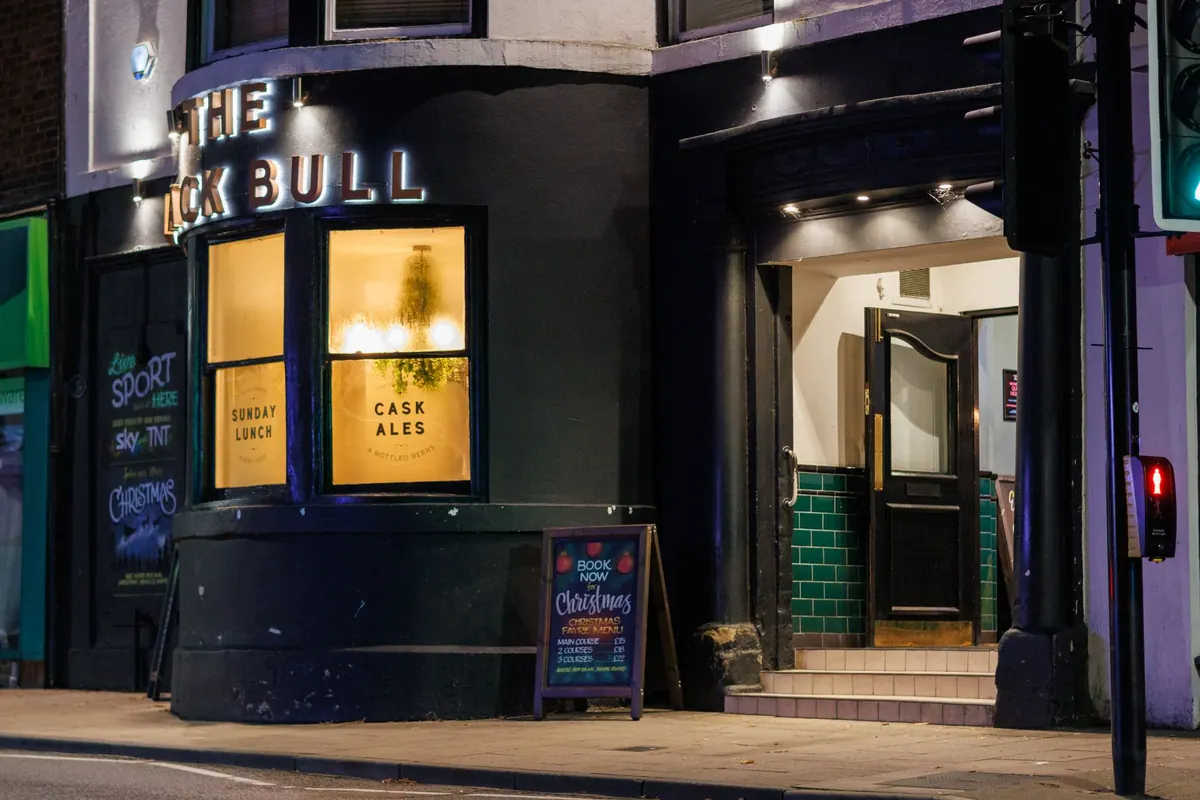
A Cotswold walk without a pub is perfectly fine. A Cotswold walk planned around a pub that turns out to be closed is miserable, and the twenty-minute detour to discover it is worse.
The usual error is assuming village pubs run all day. Many serve food in a lunch window, often somewhere around noon to two thirty, then close the kitchen until the evening. Some shut entirely in the afternoon. Plenty are closed on a Monday or Tuesday. Last orders for food are usually earlier than closing time, and a busy Sunday lunch needs booking, sometimes weeks ahead.
Before you go:
- Check the pub's own website or recent posts for opening hours rather than trusting an old listing.
- Phone ahead if the pub is the whole point of the walk, particularly in winter and on Mondays.
- Note the last food order time, not just the closing time.
- Carry something to eat anyway: a sandwich, nuts, fruit. It protects you from the closed-kitchen scenario.
- Ask about dogs and muddy boots when you book. Many pubs welcome both in the bar and not in the dining room.
If your route finishes at half three, plan for a drink rather than a meal, or time the walk to arrive at one.
A Simple Plan for the Day
Pick a route that suits the season, not the one you saw on a sunny day in June. Then run through this before you set off.
- Read the forecast and consider the ground. After heavy rain, choose high ground, lanes and short loops.
- Download an offline map and put a paper map in your bag.
- Count the stiles and gates, and adjust if you have a dog or small children with you.
- Tell someone where you are going and when you expect to be back.
- Book the pub, or carry food.
- Pack boots with grip, spare socks, water, a waterproof, and a headtorch in winter.
Get those right and the Cotswolds repays you properly: quiet ridgeline paths, a church tower appearing over a hedge, and a pint at the end that you have genuinely earned.
Photo: CB_Droneography / Pixabay