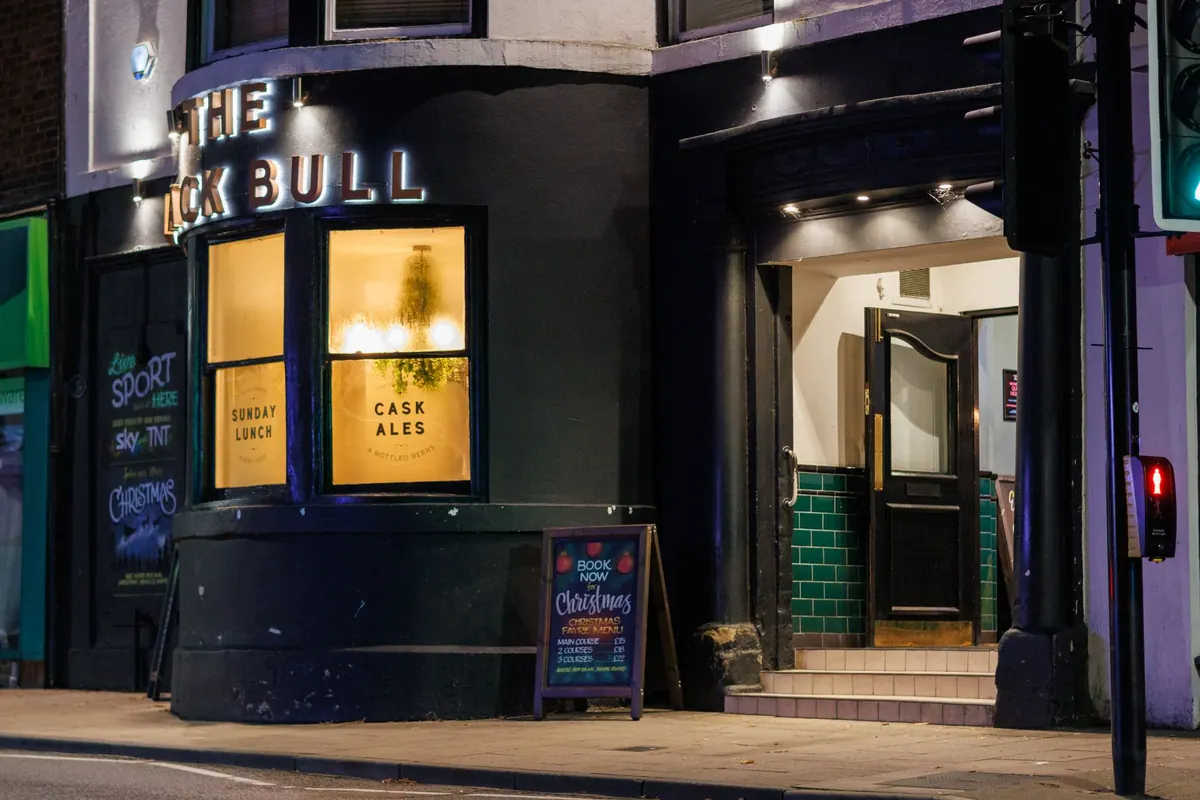
Every Sunday, a great many people drive into the Cotswolds with the same plan: find a pretty pub, order the roast, settle in. Some eat extremely well. Others pay a serious amount for beef that was carved at ten and kept warm under foil, in a dining room that smells faintly of coach exhaust. The difference is rarely luck. It comes down to when you book, how you read a menu, and which signals you trust.
Book the Sunday you want, not the table that's left
In the honey-pot villages — Bourton-on-the-Water, Broadway, Bibury, Castle Combe — Sunday lunch is not a walk-in meal between April and October. Tables between 12.30 and 1.30 go first, often a fortnight ahead in summer and further out on bank holidays, Mothering Sunday and any weekend when something else is happening nearby.
So book early in the week, and book by phone. Small village pubs are run by people who answer the phone between services. An online booking form that nobody checks until Thursday is how double bookings happen and how your 1pm becomes 1.45.
If you can be flexible, the 2.30 sitting is the quiet prize: same kitchen, fewer covers, more attention. The trade-off is real. Popular roasts sell out, so ask when you book whether they hold portions back for later tables. Some do. Some will tell you plainly that by half past two it's beef or nothing, which is genuinely useful information.
Groups, dogs and children
For six or more, always call. Village kitchens cook to a number and a big table arriving unannounced can wreck the whole service. Mention dogs and pushchairs when you book rather than at the door; plenty of Cotswold pubs welcome both, but not all have the space, and nobody enjoys being turned away in the rain.
Read the menu before you commit
Most pubs now post their Sunday menu online. Ten minutes with it tells you more than any review.
- How many roasts? Two or three done properly beats six done badly. A pub offering beef, lamb, pork, chicken and a nut roast simultaneously is spreading its kitchen thin.
- Where the meat comes from. "Local" means nothing. A named farm, a breed, or a butcher a few miles away means somebody is paying attention.
- The serving window. "Served 12–5" suggests long holding times. "Until it runs out" is usually better news.
- Accompaniments. Horseradish, apple sauce and mint sauce made in-house cost the kitchen money and effort. So do proper Yorkshire puddings.
- Vegetables listed individually. Better than "seasonal vegetables", which too often means a bowl of orange things and a green bean.
A good roast arrives hot and arrives soon after you order. Crackling should shatter rather than bend. Roast potatoes should be crunchy at the edge and fluffy inside, not boiled-then-flashed. Gravy should have body and taste of the meat it came with. Cauliflower cheese is an extra, never a substitute for the vegetables you were promised.
The tourist trap tells
None of these are crimes on their own, but together they rarely lie.
- Photographs of the food printed on the menu.
- A laminated menu in four languages.
- A carvery where the meat sits under heat lamps and the vegetables have been steaming since noon.
- A sign outside claiming the best roast in the Cotswolds. Confidence is cheap; a full room of locals is not.
- No one at the bar in wellies at 12.15 on a Sunday.
The most telling sign is a pub whose entire week depends on Sunday visitors. That isn't automatically bad — some of them cook beautifully — but a kitchen that roasts forty covers once a week is less practised than one that has been doing it every Sunday for twenty years. Look for a pub that serves food most days and fills up in February as well as August.
Where the good ones hide
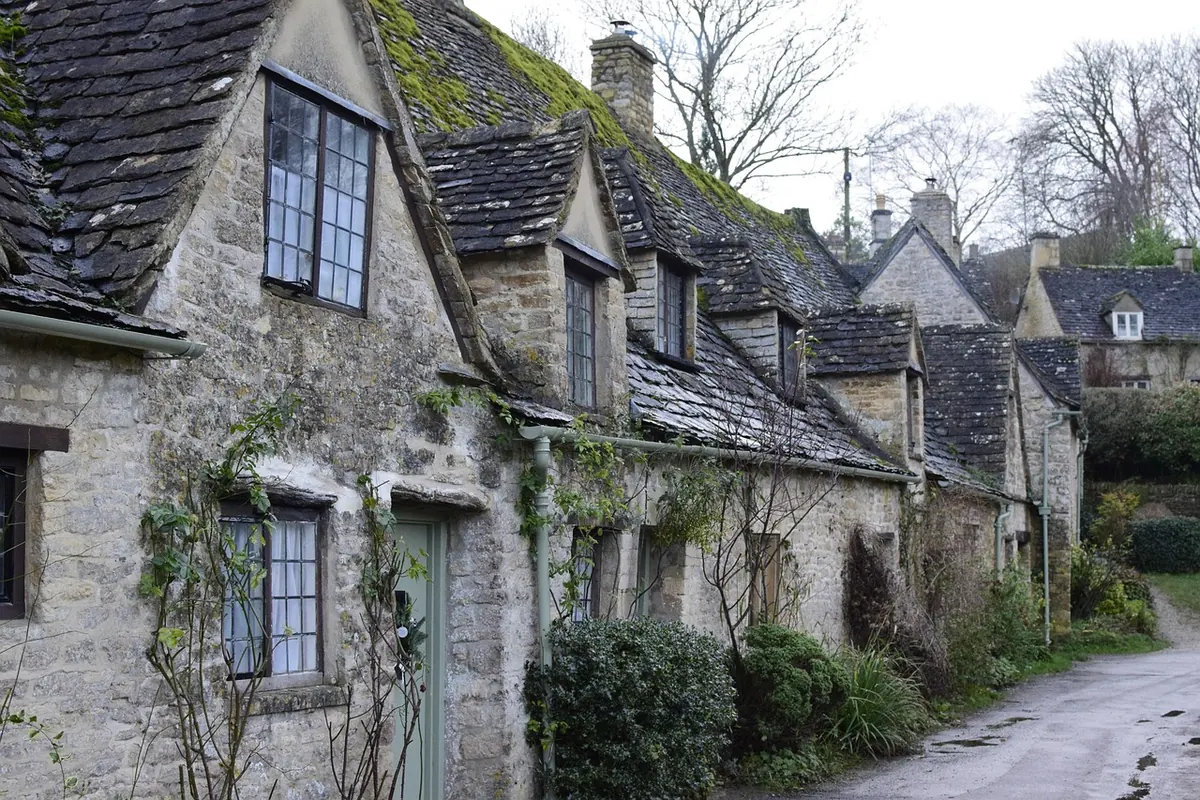
The best roasts are usually in villages with no other reason to exist: a church, a war memorial, a pub, and a lane that goes nowhere. Villages with a coach park rarely have to try. Market towns are a mixed bag, but value tends to sit one or two streets back from the main square, away from the gift shops.
Opening hours are a useful clue. A pub that serves food every day from noon to nine is a business, which is fine. A pub open 12–3 and 6–11, closed on Mondays, run by a couple who live upstairs, is often cooked by someone who actually cooks. Neither guarantees a good lunch, but the second type has more to lose.
Ordering and behaving like a local
Ask what's running low as soon as you sit down, before you get attached to the lamb. Order the extras — cauliflower cheese, an additional Yorkshire, pigs in blankets if they're offered outside December. Ask for your beef pink; if the kitchen can't do pink, that tells you the joint was roasted through and held, which is worth knowing before it lands.
Don't expect the roast in ten minutes. Twenty-five to forty is normal, and faster usually means reheated. If you're running late, ring and say so; small kitchens hold plates and it shows. Tip properly. Margins in village pubs are thin and Sunday is often the day that pays for the quiet Tuesday.
The Sunday plan that works
- Choose two or three pubs in one small area, not scattered across the whole Cotswolds. Driving between villages on a Sunday takes longer than the map suggests.
- Call on Tuesday or Wednesday and ask for a table between 12.30 and 1, or accept 2.30 and get a better lunch.
- Ask two questions: which roasts usually sell out, and do you keep any tables for walk-ins at the bar?
- Confirm the day before if you're a group of six or more, and cancel if plans change. No-shows cost small pubs real money.
- Turn up on time, order the extras, and take the recommendation of whoever is behind the bar.
If lunch disappoints, don't write off the Cotswolds. Write off that kitchen on that day, then ask a local where they eat on their own Sunday. That answer, more often than not, leads somewhere better than any signpost ever will.
Photo: Dan Wright / Pexels