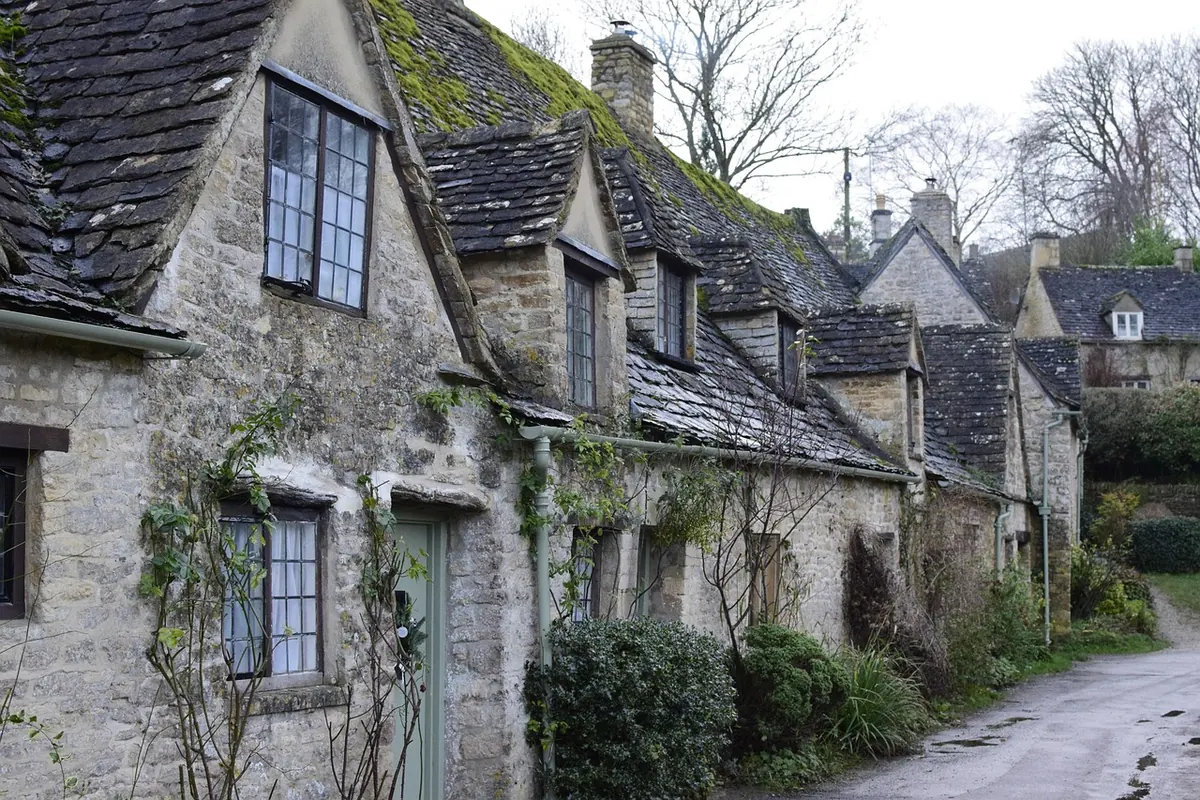
Rain in the Cotswolds isn't a disaster. It's the reason the villages look the way they do: honey-coloured limestone, moss on the roofs, streams that actually run in August. What it does spoil is the plan you had for the day — the escarpment walk, the picnic by the Windrush, the afternoon poking around a garden. So swap it. The Cotswolds has an unusually good supply of indoor places that are worth visiting on their own merits, not just as shelter.
The trick is to build a route rather than pick one target. Villages sit close together, so you can string together a tearoom, a church and a museum without much driving, and keep a second option in reserve for when something turns out to be shut.
Tearooms and cafés worth lingering in
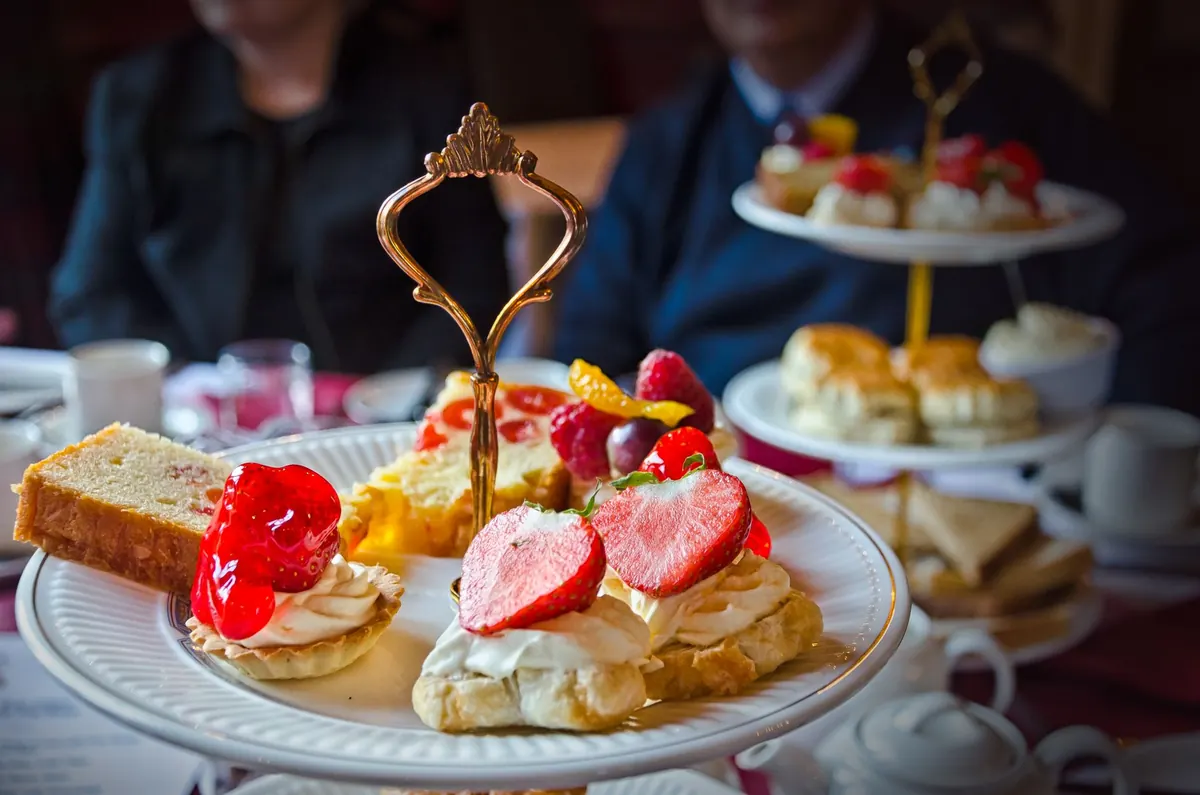
This is where a wet day stops feeling like a compromise. Huffkins in Burford and Stow-on-the-Wold has been baking long enough to know what it's doing, and the Stow branch is a good place to sit out a downpour with a pot of tea and something involving cream. Lucy's Tearoom, also in Stow, is smaller and busier, with cakes that justify the queue. In Broadway, Tisanes does proper loose-leaf tea and light lunches in a room that stays warm whatever the weather. Badger's Hall in Chipping Campden is the more substantial option if you want a full meal rather than a slice of something.
Practical note: on wet days, small tearooms fill up fast and don't take bookings. Aim to arrive before noon, or after half past two, and you'll usually walk straight in.
Museums that fill a wet afternoon
Cotswold museums tend to be modest in size and strong on local detail, which suits a rainy afternoon better than a vast national collection. A few that repay the time:
- Corinium Museum, Cirencester — Roman Corinium was the second city of Roman Britain, and the mosaics here are the reason to come. Allow a couple of hours.
- Cotswold Motoring Museum, Bourton-on-the-Water — crammed, cheerful and genuinely good with children. The village outside will be heaving; this is the escape hatch.
- Court Barn Museum, Chipping Campden — craft and design, and the story of C.R. Ashbee's Guild of Handicraft, which moved here from East London.
- The Wilson, Cheltenham and Museum in the Park, Stroud — useful if you're in the southern Cotswolds, both with cafés attached.
- Broadway Museum and Art Gallery — small, local and a sensible pairing with a Broadway lunch.
Check opening days before you drive. Several of these are volunteer-run and open only four or five days a week, and winter hours can be shorter still.
Churches: the best free shelter in the Cotswolds
Cotswold churches were built on wool money, and the wealth shows. They are almost always open during daylight hours, they cost nothing, and they're far more interesting than most people expect.
St Mary's at Fairford has a complete set of medieval stained glass, which is rare anywhere in England — on a grey day the windows glow. St John the Baptist in Cirencester has a fan-vaulted porch worth the detour on its own. Northleach's St Peter and St Paul is famous for its brasses, commemorating the wool merchants who paid for the building. St Edward's in Stow-on-the-Wold has the north door flanked by two yews, and Tewkesbury Abbey, on the northern edge of the region, is a Norman giant that takes an hour to do properly.
Two things to know: churches are cold, so keep your coat on, and stone floors get slippery when wet feet come in from the street. Leave a donation if there's a box — heating and repairs are paid for locally.
Stately homes and historic interiors
Several houses in and around the Cotswolds are as good indoors as out. Snowshill Manor near Broadway is the National Trust property to pick if you only do one: Charles Wade's collection of curiosities fills room after room, and it's the interior, not the garden, that carries the visit. Chastleton House, near Moreton-in-Marsh, is deliberately unrestored and feels like walking into someone's attic. Kelmscott Manor, William Morris's Oxfordshire home, is open on limited days and worth planning around. Sudeley Castle at Winchcombe has rooms and exhibitions as well as gardens, so it works in the rain.
Most of these close entirely between roughly November and March, or open only at weekends. Check before travelling, and expect unheated rooms in spring and autumn.
Markets, craft centres and bookshops
Browsing beats standing still in the rain. Cirencester's Corn Hall hosts markets and events under cover, and New Brewery Arts in the same town is a craft centre with studios, a shop and a café — an easy hour and a half. Stroud's Shambles market is indoors, with the town's famous Saturday farmers' market spilling out around it. Cheltenham has a proper indoor market hall. For books, Jaffe & Neale in Chipping Norton and the Borzoi Bookshop in Stow are the ones locals mention; Burford's Madhatter Bookshop is tiny and charming. Tetbury and Stow both have enough antique shops to lose an afternoon in.
Tastings, tours and the evening
If you'd rather do something than look at something, book a tour. Hook Norton Brewery runs visits around its Victorian tower brewery, and the Cotswolds Distillery near Shipston-on-Stour offers tours and tastings. Stroud Brewery has a taproom that works well as a wet-afternoon stop. Book ahead — many tours need minimum numbers and fill at weekends. If you're tasting, sort out a driver or a taxi in advance rather than afterwards.
For the evening, the Barn Theatre in Cirencester and the Roses in Tewkesbury both programme year-round, and village pubs with log fires are the correct end to a wet day. Book a table: when it rains, everyone has the same idea.
How to plan a wet day in the Cotswolds
- Check opening times the night before. This is the single most useful thing you can do. Small museums and big houses alike keep odd hours.
- Pick one anchor and two fallbacks. The anchor is the museum or house you really want; the fallbacks are a church and a tearoom nearby.
- Keep the driving short. Fifteen to twenty minutes between stops is plenty. Lanes flood, and parking in places like Bourton and Broadway gets difficult fast.
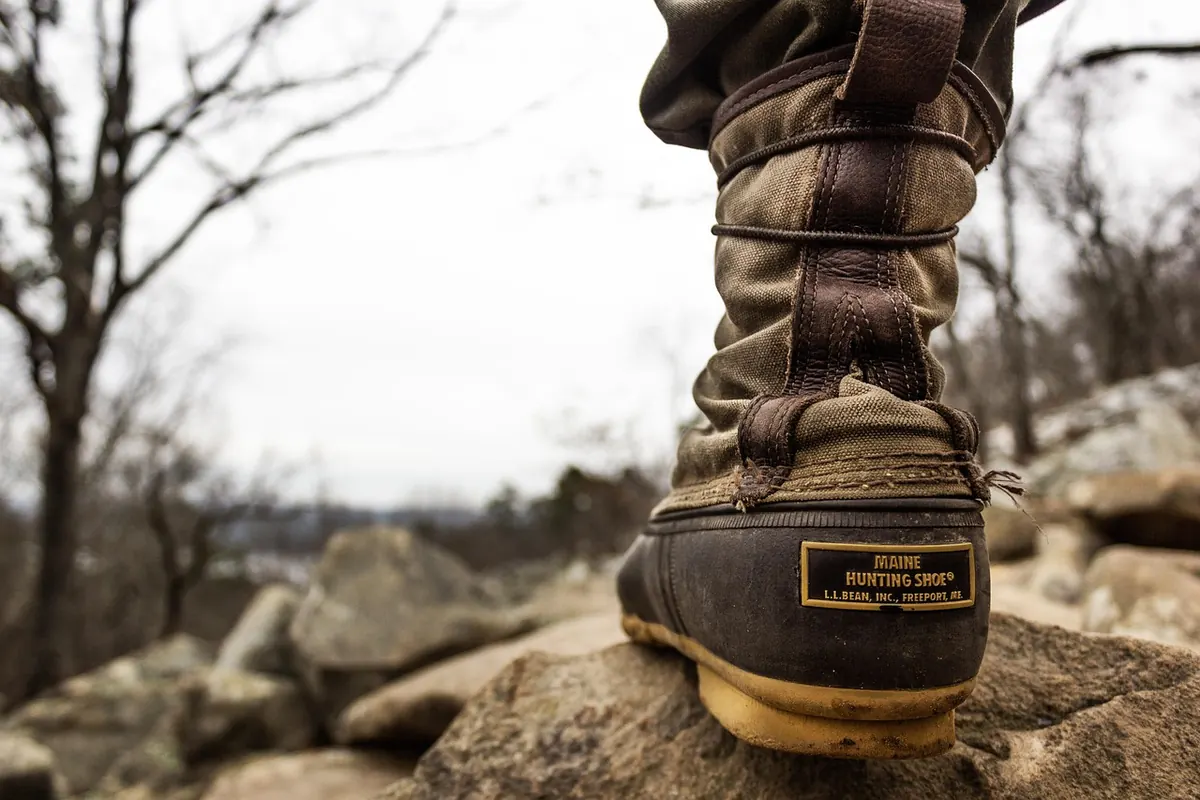
- Dress for cold buildings. Churches, barns and manor houses are unheated. Waterproof boots and a warm layer matter more than an umbrella.
- Book lunch and dinner. Wet weather concentrates everyone indoors, and good pubs fill by half twelve.
One last thought: a rainy day is a good excuse to slow down. A long lunch, a church you'd otherwise have walked past, and a museum you'd never have entered in sunshine is a perfectly good Cotswolds day — arguably a better one than the one you planned.
Photo: joaocampanholo / Pixabay