Ask ten people to name the prettiest village in the Cotswolds and two names keep coming up: Bibury and Castle Combe. Both are small enough to walk end to end in under an hour, both look as though they were built for a photograph, and the two are roughly an hour apart by car. That last detail is the problem. Most visitors have time for one, not both.
They are not interchangeable, either. Bibury sits in a broad river valley with the most photographed terrace of cottages in England at its centre. Castle Combe hides in a wooded hollow at the bottom of a no-through road, so quiet that you can hear the brook from the street. Which one you should see first depends on when you can arrive, how you are travelling, and whether you want lunch and a proper walk afterwards.
Two very different kinds of pretty
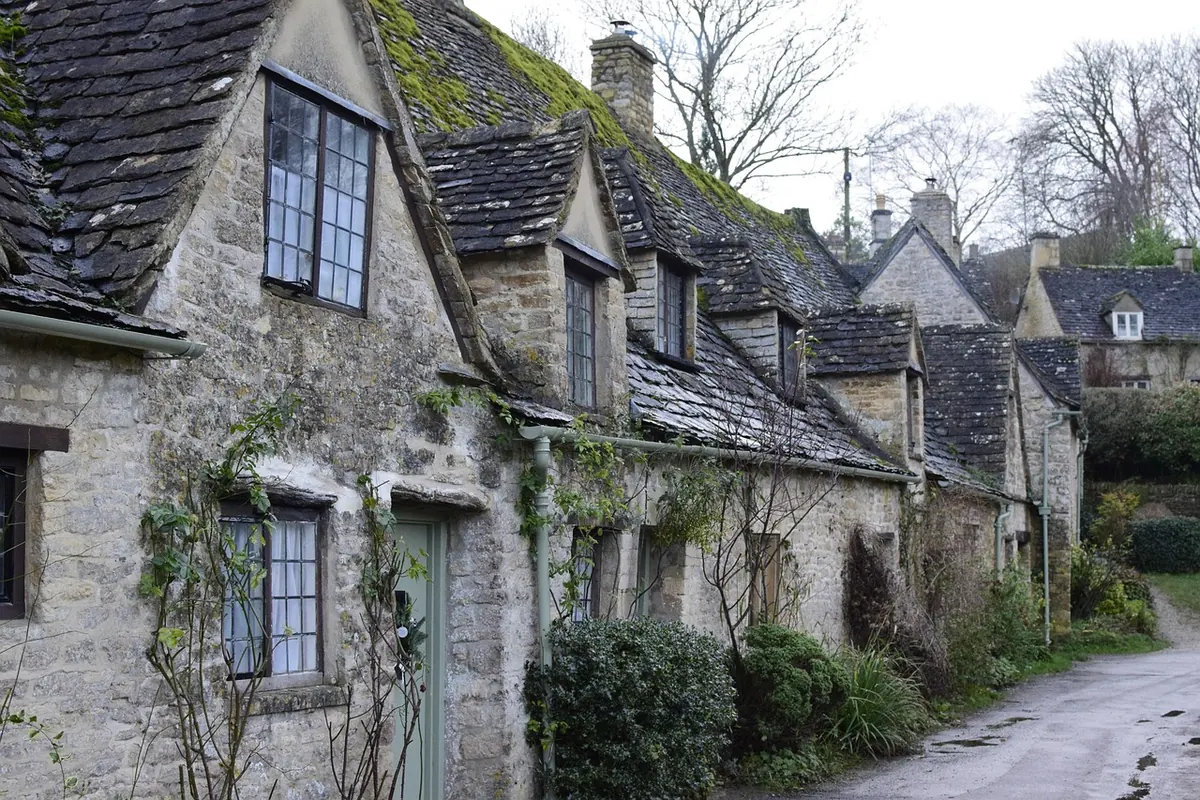
Bibury runs along the River Coln, and the water is what makes it. Arlington Row, a low terrace of stone cottages that started life as a wool store and later housed weavers, sits behind a narrow footbridge and a strip of grass called Rack Isle, named for the racks once used to dry cloth. Look one way and you get the terrace reflected in the water; look the other and you get the old mill and the shallow river full of brown trout. The valley is wide and open, so the light is generous all day, though the cottages face away from the morning sun.
Castle Combe is a different shape entirely. The road drops steeply into a valley, crosses the By Brook on a small stone bridge, and then curls upward past the market cross and the church, which has a medieval clock worth a look. Because the street bends, you never see the whole village at once, and because there is no through traffic, the loudest thing in the village is usually water. There is no single "shot" to tick off in the way Arlington Row is; instead you get a series of small ones.
Bibury is often described as the most beautiful village in England, a line usually attributed to William Morris. Castle Combe gets called the prettiest. Between them, they have absorbed a great many superlatives.
Crowds: where they gather and when they leave
Bibury's visitors concentrate in one tiny area. The lane past Arlington Row and the little bridge beside it can feel genuinely packed by mid-morning, especially when coach parties arrive. The rest of the village, the churchyard and the footpaths along the Coln, stay surprisingly peaceful.
Castle Combe takes crowds better because the street is longer and the visitors spread out. Even so, the car park fills on summer weekends and the bridge becomes a bottleneck. Two windows work well in both villages: before about 9am, and again after 4pm once the coaches have gone. Weekdays outside school holidays are noticeably calmer. If you only have a Saturday in August, arrive early and treat lunch as your reward.
Parking: the thing that decides your day
Neither village was built for cars, and both have limited parking with clear signs and charges. Read them properly rather than guessing.
- Castle Combe: use the village car park at the top of the hill and walk down. It is a short, steep stroll to the bridge. Street parking in the village itself is limited, and because the lane is a dead end you may have to reverse or turn around. Do not park on verges or block driveways.
- Bibury: the main car park sits close to the trout farm, a couple of minutes from Arlington Row. Roadside spaces in the village are few and restricted. Resist the urge to drive down to the cottages; the lane is narrow and full of people on foot.
- Both: arrive before 9.30am in high season, keep an eye on time limits, and remember that residents still need to get to work. A blocked lane is not a small thing here.
Food and drink: which village feeds you better
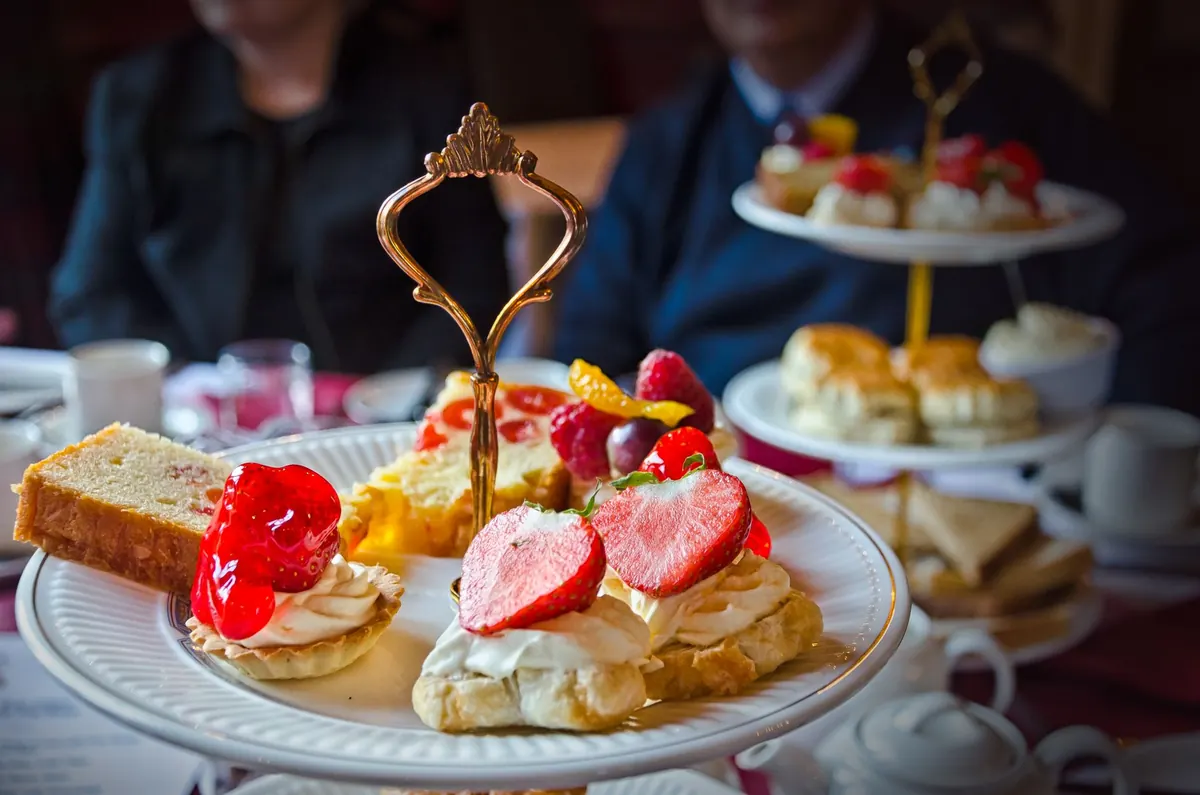
Bibury has the edge on choice. There is a hotel restaurant, a village pub, a café and shop at the trout farm, and tea and cake within a few minutes' walk of the river. That matters if you are arriving hungry or travelling with children who need feeding on schedule.
Castle Combe is smaller: a pub, somewhere for coffee and cake, and a hotel dining room for a splurge. The pub food is solid rather than fancy, and nothing is far from anything else.
In both villages, book ahead for Sunday lunch and for any dinner in summer. Rural kitchens tend to serve lunch from around noon to early afternoon and then close until the evening, so a 3pm arrival often means no hot food at all. Pick up picnic supplies before you get there; neither village has a proper grocery shop.
Walks worth building your day around
From Castle Combe, follow the By Brook downstream on the footpath towards the hamlet of Ford, or climb the lane behind the church for views back over the rooftops. Neither route is long, and both can be combined into an easy loop of an hour or so.
From Bibury, the riverside path upstream through the water meadows towards Ablington and on to Coln St Aldwyns is one of the loveliest flat walks in the southern Cotswolds. A shorter option is the loop around Rack Isle and up to the church.
A few honest notes: paths are muddy from October to March, so leave the white trainers at home. You will meet stiles, gates and sometimes livestock. Keep dogs on leads around sheep, close every gate behind you, and stay on marked footpaths, because much of what looks like open field is working farmland.
So which should you visit first?
Choose Bibury first if you want the classic Cotswolds image, more than one place to eat, and a short walk that does not demand much effort. It also slots neatly into a day with Cirencester or Burford.
Choose Castle Combe first if you are coming from Bath, Bristol or the M4 and want somewhere atmospheric and compact, or if you would rather trade a famous view for a village that feels enclosed and unhurried. It has appeared in period films and television often enough that it may look familiar, and arriving early genuinely changes the experience.
If you have two days, do one each morning and spend the afternoons elsewhere. Trying to see both in a single afternoon means two hours of driving for maybe ninety minutes in each place, which is a poor trade. Whichever you pick, go early, pay for the car park, keep your voice down near the cottages, and give the village enough time to stop feeling like a photograph. That is when these places are at their best.
Photo: FrankyFromGermany / Pixabay