Everyone pictures the Cotswolds the same way: a low stone bridge, a shallow river, nobody else in the frame. Then they arrive at Bourton-on-the-Water on a Saturday in August and find a coach party queueing for ice cream where the photograph should have been. The crowds are real, but they are also astonishingly predictable. They arrive late morning, leave by teatime, cluster in three or four villages, and disappear entirely for a good chunk of the year. Knowing that rhythm is worth more than any list of "secret" villages.
Why the Crowds Follow a Pattern
Most visitors are on someone else's schedule. Coach tours run out of London, Oxford and Bath between mid-morning and mid-afternoon. Day-trippers drive in for lunch and leave before the school run. Holiday cottages turn over on Fridays and Saturdays, so those are the days car parks fill first. Villages with a big car park and one famous view take the hit; villages with nowhere to park stay quiet almost by accident. Add weather and you have the whole mechanism: a wet Tuesday in February empties a village, a sunny bank holiday fills it to the bridge.
January to March: The Empty Months
This is as quiet as the Cotswolds gets. Daylight is short, footpaths are muddy, gardens are dormant, and some tea rooms and attractions close for a week or two after New Year or open weekends only until Easter. Churches and pubs stay open, and a frosty morning on a village street with nobody in it is genuinely worth the cold ears.
Book accommodation midweek and you will often find the best rates of the year. The trade-off is that a village with one closed pub and no café becomes a twenty-minute stop, so check opening hours before you drive an hour to reach it. March is the pivot: snowdrops and early daffodils, attractions waking up, and weather that can produce sunshine, sleet and both in the same afternoon.
April to June: Shoulder Season, With Two Exceptions
Two periods spoil an otherwise excellent stretch: the Easter school holidays and May half term. Both fill cottages and car parks, and both push the honeypot villages close to summer levels. Everything between them — mid-April to early May, and the first half of June — is close to ideal. Long evenings, gardens at their best, bluebells in the woods, and car parks that still have spaces at 11am.
Weekends remain busy year-round, so if you have flexibility, aim for Tuesday to Thursday. June is the sleeper month: the light is at its longest, the roses are out, and the crowds have not yet caught up with the weather.
July and August: Working Around the Peak
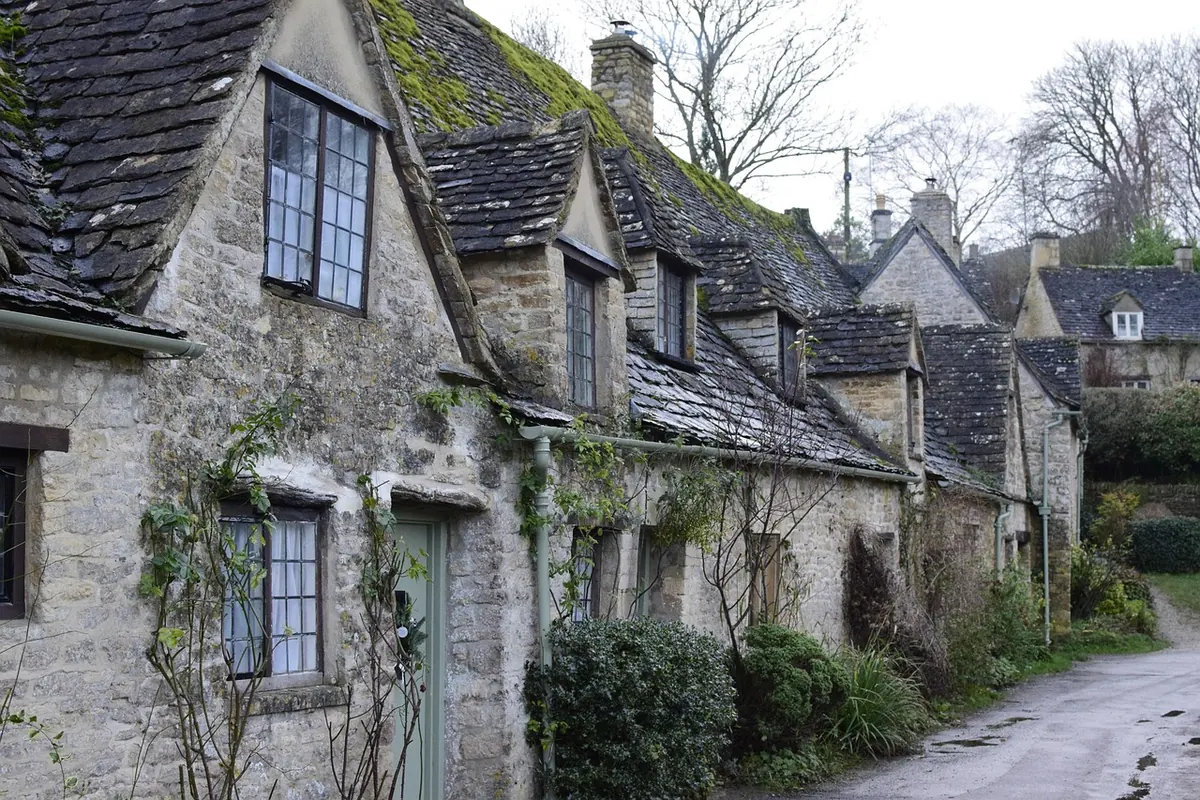
Assume everywhere popular will be full. Bibury's Arlington Row, Castle Combe and Bourton-on-the-Water take the worst of it, and parking can be gone before 10am. Rather than abandoning the idea, change the hours you visit:
- Go early. Before 8.30am you will often have a village street to yourself, and the light is better anyway.
- Go late. After 5pm the coaches have gone, pubs are opening, and the stone turns gold.
- Avoid bank holiday weekends entirely and treat Saturdays with suspicion.
- Walk in. Park in a neighbouring village and use a footpath — the Slaughters, Guiting Power and Naunton are all reachable on foot from busier spots.
September to December: The Sweet Spot and the Market Weeks
September is arguably the best month of the year here: warm, dry more often than not, harvest in the fields, and crowds thinning sharply after the first week. October holds up well until half term lands at the end of the month, when families return for one last break. By November you are back to near-winter emptiness — mist, bare hedges, short days, and a few places cutting their opening hours to weekends.
December splits in two. Christmas market weekends in Bourton, Moreton-in-Marsh and Broadway are genuinely busy, and the days between Christmas and New Year are livelier than you would expect. Book lunch tables well ahead for those dates, and pick a midweek day in early December if you want the lights without the crush.
Village by Village: When Each One Breathes
Bourton-on-the-Water and Bibury
These two absorb the most coaches. Bourton is quietest before 9am and after 5pm, and on weekdays from November to February it is a different place altogether. Bibury, on the road between Cirencester and Burford, has very limited parking and a single famous row of cottages; go before 9.30am or in winter, and accept that a summer midday visit will be shared with a few hundred other people.
Castle Combe and Broadway
Castle Combe is a working residential village with no parking in the village itself — cars go in the car park at the top of the hill. It is quietest before 9am, after 5pm and from November through March. Watch for race days at the nearby circuit, which can transform the approach roads. Broadway is bigger, has proper shops and parking, and stays pleasant except on summer weekends; January and February are its calmest months.
The Villages That Are Rarely Busy
- Lower and Upper Slaughter: no car park, so walk in from Bourton or park considerately and you will find near-empty streets even in August.
- Chipping Campden: a real high street rather than a single view, so visitors spread out.
- Burford and Stow-on-the-Wold: market towns that absorb visitors well; quietest on weekday mornings.
- Snowshill, Stanton, Guiting Power, Naunton: small, no draw beyond their own good looks, and quiet almost always.
What to Check Before You Go
Rural opening hours are the thing that catches people out. A pub that serves food all week in summer may shut on Mondays and Tuesdays in winter, and an attraction that opens daily in August may run Wednesday to Sunday in March. Check the website or ring ahead the day before.
Transport needs the same care. The Cotswold Line gives you stations at Charlbury, Kingham, Moreton-in-Marsh and Honeybourne, and Kingham is a short taxi ride from Bourton and the Slaughters — but buses between villages are few, and Sunday services are scarcer still. Book taxis in advance, especially in the evening.
Finally, remember that these are places where people live. Don't park on verges or in front of cottages, keep voices down in the early morning, and shut gates behind you on footpaths. Doing that quietly is how the villages stay worth visiting in the first place.
Photo: MemoryCatcher / Pixabay